Every homeowner hits this question at some point. The kitchen feels dated, and the outside of the house looks like it has not been touched in a decade. Something has to come first, but which one actually makes the most sense? The answer is not always obvious, and the wrong choice can mean spending money in the wrong order.
The Case for Starting With Exterior Construction
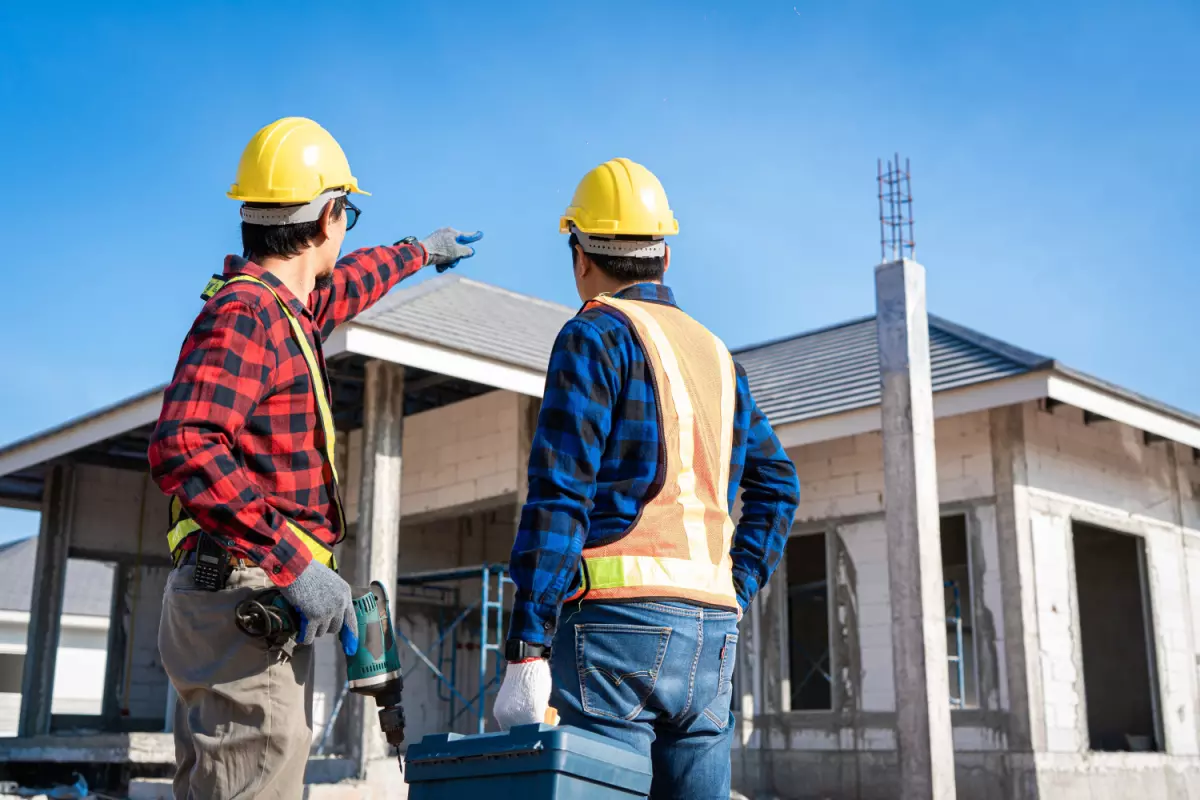
Exterior construction in Midland, TX, makes sense first when the building envelope has problems. A failing roof, deteriorating siding, or water intrusion from poor drainage will always undermine anything done inside. You cannot renovate a living room that is going to get wet every time it rains.
Beyond protection, curb appeal has a real effect on property value. A home that looks well-maintained from the street commands more buyer attention and signals care throughout. If you are thinking about resale within a few years, the exterior often delivers a stronger return.
The Case for Starting With Interior Construction
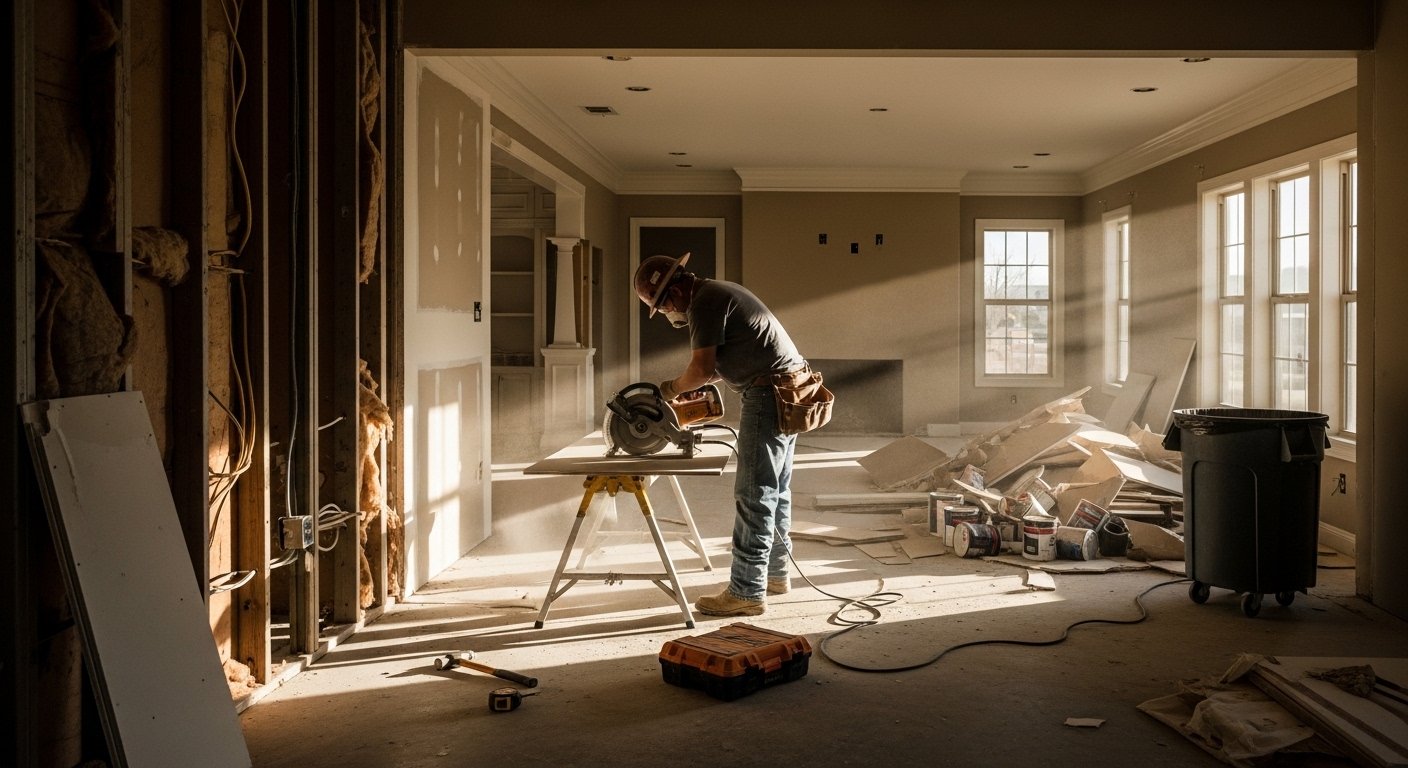
Interior construction in Midland, TX makes sense first when the home is structurally sound, but the daily experience inside is suffering. An outdated kitchen, a poorly laid-out bathroom, or living spaces that no longer work for the family are quality-of-life problems that affect you every day.
Interior work also tends to have a more direct impact on how you feel about your home. You spend more time inside than outside. If the interior is the source of daily frustration, starting there often delivers the most immediate satisfaction.
Pros and Cons Side by Side
Starting With Exterior
- Protects the investment before interior work is done
- Increases curb appeal and market value
- Prevents moisture and structural damage from worsening
- Less disruptive to daily living during the project
- Does not address the daily-use frustrations of interior spaces
Starting With Interior
- Improves the daily lived experience right away
- Higher return for homeowners not planning to sell soon
- Better for full customization when staying long-term
- Risk that an unresolved exterior issue affects the new interior work
- Less visible improvement from the street
When to Do Both at Once
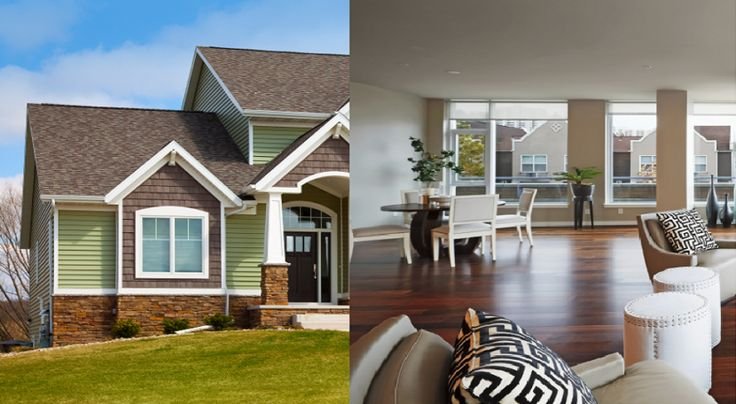
If the budget allows, tackling both at the same time is often more efficient. Trades are on site, coordination costs are consolidated, and you avoid the awkwardness of having a beautiful kitchen in a house that still looks rough outside. Projects that phase both interior and exterior work together with a clear plan tend to finish more cohesively.
The Short Answer
Fix anything that threatens the structure or is actively getting worse. After that, start with wherever you spend the most time and whatever change will affect your daily life the most. Both interior and exterior improvements have their place. The right order depends on your situation, your timeline, and your goals.
FAQs
Which adds more value to a home, interior or exterior renovations?
It depends on the condition of both. A neglected exterior drags down overall value. A functional, updated interior tends to drive buyer interest. A well-executed combination delivers the best results.
What exterior improvements offer the best return in Midland, TX?
Roof replacement, exterior paint, upgraded entry doors, and landscape improvements consistently deliver strong returns. They affect both function and first impression.
Should I fix structural issues before remodeling interiors?
Always. Structural and moisture issues need to be resolved before interior finishes are touched. Skipping this step risks damaging new work.
How do I know if an exterior issue is serious enough to address first?
Signs like water stains on interior walls, rotting wood, sagging areas, or visible cracks in the foundation should always be addressed before cosmetic interior work begins.
Can a contractor handle both interior and exterior projects at the same time?
Yes. A general contractor can coordinate interior and exterior trades simultaneously. This approach often shortens the overall project timeline and reduces total disruption.