Most homeowners have never seen what happens between the first conversation with a contractor and the final walk-through. The process looks like magic from the outside, but there is a detailed sequence behind it.
Learn today how home design projects successfully work in Midland, TX, to help you know what to expect at each stage and how to be the best client possible throughout.
Stage 1: The Initial Consultation and Vision Alignment
Everything starts with a conversation about what you want, what you need, and what you have to work with. A good Midland, TX home design process begins by listening before proposing anything. Your lifestyle, your priorities, and your budget all shape the direction before a single sketch is drawn.
This stage is also where a contractor assesses the existing space, identifies constraints, and flags anything that might affect the design or cost. Getting this right prevents surprises later.
Stage 2: Pre-Construction Planning and Design Development
Once the vision is aligned, the design work begins in earnest. Floor plans, material selections, fixture choices, and structural considerations all get finalized here. This stage takes longer than most clients expect, and it should. The time spent in planning directly reduces the number of problems that appear during construction.
Midland, TX home design services typically include coordination with architects, engineers, and interior consultants, depending on the project scope. Permits are applied for during this phase as well.
Stage 3: Material and Trade Coordination
Before the first contractor arrives on site, materials need to be ordered and lead times confirmed. Subcontractors are scheduled based on their role in the sequence. Electrical, plumbing, framing, and finish trades all need to be lined up in the right order.
This is the logistics phase. It is invisible to most homeowners, but it determines whether the project runs smoothly or spends weeks waiting on parts and people.
Stage 4: Active Construction and Milestone Reviews
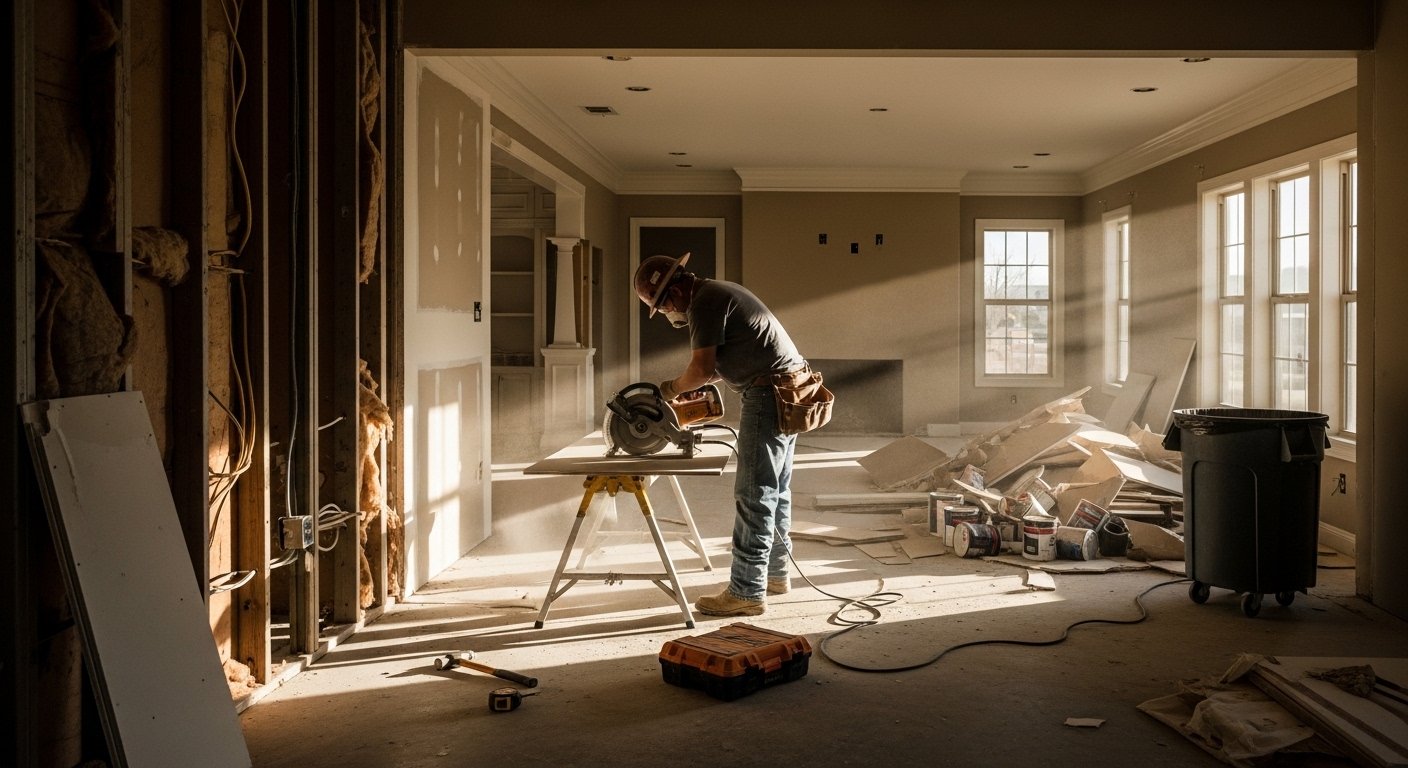
Construction moves in layers. Demolition first, then structure, then mechanical systems, then envelope, then finishes. At each milestone, the project is reviewed to confirm quality and catch anything that needs to be addressed before the next phase begins.
Clients are kept updated throughout, not just when something goes wrong. A project that communicates well at every milestone is far less stressful to be part of.
Stage 5: Final Walk-Through and Project Close
The final walk-through is your chance to review every element of the finished project with the contractor before closing it out. A punch list captures anything that needs a final touch. This step is taken seriously. The goal is to hand over a space that fully matches what was agreed on, with no loose ends.
What Clients Should Actually Expect
Construction involves variables that cannot all be predicted. A permit takes longer than expected. A material arrives with a defect. An inspection raises a question. These things happen, and a good contractor handles them without making them your problem. What you should always expect is clear, proactive communication and a team that does not go quiet when challenges come up.
FAQs
How involved do I need to be during a home design project?
Most decisions happen during the planning phase. Once construction starts, your main role is reviewing milestone updates and being available for questions. A good contractor does not need you on-site daily.
What happens if I want to change something mid-project?
Changes are possible but come with a cost. Mid-construction changes require a formal change order that outlines the scope, added cost, and timeline impact. This keeps everyone aligned.
How do I track progress if I cannot be on site regularly?
Ask your contractor how they report progress. Digital project management tools with photo documentation and schedule updates let you follow along without being on site.
What should I do if I am unhappy with the work at a milestone review?
Say so immediately and clearly. Milestone reviews exist specifically to catch issues before they are covered up by the next phase. Do not wait until the final walk-through.
How long does the design phase typically take before construction starts?
For most residential projects, expect two to four months for full design, permitting, and pre-construction coordination. Larger or more complex projects take longer.